
How to Choose the Right Engine Coolant for Your Vehicle

Most car owners check their oil without thinking twice, but rarely give coolant a second thought — until the temperature gauge climbs, the heater stops working, or the fluid in the reservoir looks more like rust soup than anything else. The problem is that coolant mistakes are slow and silent. Using the wrong engine coolant, or topping up with something that doesn't match what's already in the system, causes damage that builds quietly until it becomes expensive. Here's what you need to know before you pop that reservoir cap.
Why the Right Engine Coolant Matters More Than You Think
Coolant isn't just antifreeze. It circulates through the cooling system under heat and pressure, protecting metal surfaces, seals, hoses, the radiator, and the water pump against corrosion and scale. The wrong automotive coolant doesn't just underperform — it can actively work against those components over time. This risk is higher in modern vehicles with aluminium engines, where the corrosion inhibitors in your coolant need to match the metals they're protecting.
The Main Types of Engine Coolant Explained
Car coolant types are grouped by their corrosion inhibitor technology:
IAT (Inorganic Additive Technology) is the older conventional formula, still found in classic and older vehicles, with a shorter service life — typically every two years.
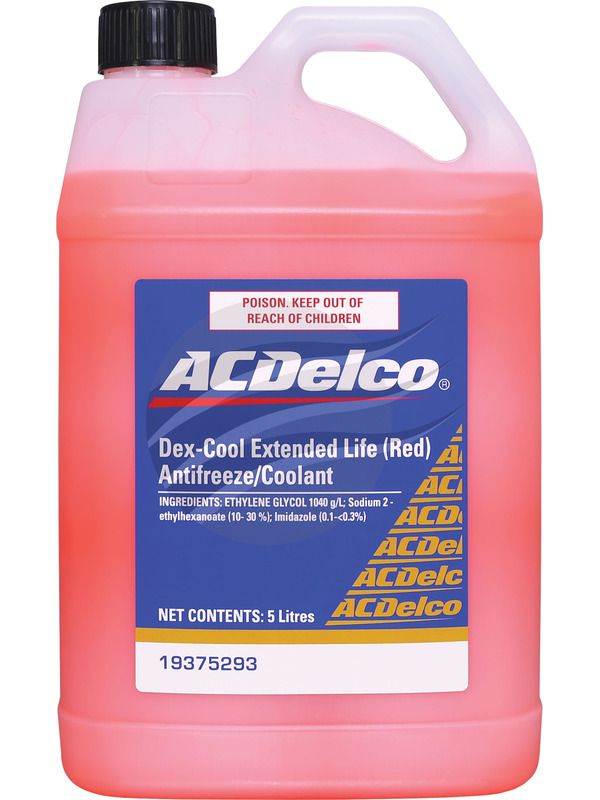
OAT (Organic Acid Technology) is the modern long-life coolant formulation built for newer vehicles, especially those with aluminium engines. The AC Delco Dex-Cool 5L Red Antifreeze is a well-known OAT product tied to GM specifications, offering extended service intervals for compatible vehicles.
HOAT (Hybrid OAT) blends both inhibitor types and is common across European and Asian makes.
If you'd rather skip the measuring and mixing, a premixed option like the Nulon General Purpose Coolant Premix Green 4L comes ready to use at the correct dilution — practical for a straightforward top-up or a full flush.
Why Coolant Colour Is Not a Safe Guide (And What to Use Instead)
This is where most people get caught out — including owners who've had their car for years.
Reaching for a coolant that matches the colour in your reservoir feels like the logical thing to do. It isn't. Coolant colours are not standardised across manufacturers. Green, red, orange, pink, and blue can mean entirely different things depending on the brand. A red coolant from one manufacturer may use a completely different additive package than a red coolant from another, and mixing incompatible types can cause those additives to react, stripping corrosion protection and potentially causing deposits or blockages. Because the damage is gradual, the mistake often goes undetected until the repair bill arrives.
The safer approach: ignore the colour. Check your owner's manual for the specified coolant standard — such as G11, G12, or ASTM D3306 — and read the product label for vehicle approvals and compatibility. If you don't know what's already in the system, a coolant flush before adding anything new is the right call, not a guess based on what looks similar.
How to Match Coolant to Your Vehicle's Specification
Your owner's manual is the starting point. It specifies the coolant type, concentration, and sometimes a manufacturer's standard. For modern vehicles with aluminium components or factory long-life coolant, following that specification closely is non-negotiable.
If the service history is unclear, don't top up blindly. Have the system inspected or flushed first. When comparing products, focus on the technology type (IAT, OAT, or HOAT), premix vs concentrate, the rated service interval, and any vehicle-specific approvals on the label.
When to Top Up vs When to Replace
Top up when the level is slightly low, the fluid looks clean, and you're confident you have the right product. If the reservoir is discoloured, rusty, or oily — or you've needed to top up repeatedly — the system needs an inspection, not another refill.
Replacement intervals vary: IAT coolants typically every two years, long life coolant products considerably longer. Your service manual sets the schedule. Watch for rust-coloured radiator fluid, a sweet smell from the engine bay, sludge in the reservoir, or recurring engine overheating as signs that it's overdue.
For enthusiasts chasing cooler operating temperatures, the Redline Water Wetter Super Coolant is a cooling system additive — not a coolant replacement — that improves heat transfer and lowers running temps. Compatible with most antifreeze types, it's a popular addition in both street and performance builds.
Explore Engine Coolants and Cooling System Products at Rolan
Now that you know what to look for, finding the right product is the easy part. Rolan's engine coolant and cooling system range covers premix and concentrate options, long life formulations, and performance additives — all with the product detail you need to match spec confidently and get it right the first time. Browse the range and take the guesswork out of cooling system maintenance.
FAQs
What is engine coolant and what does it do?
Engine coolant helps regulate engine temperature by transferring heat away from the engine. It also helps protect the cooling system against freezing, boiling and corrosion when the correct formulation is used.
How do I choose the right coolant for my car?
Follow the vehicle manufacturer’s specification first. Check the coolant type, formulation, concentration and product label before topping up or replacing coolant.
Do coolant colours matter?
Coolant colours can help with identification, but they are not fully standardised. Specifications are more reliable than colour alone.
How often should engine coolant be replaced?
Replacement intervals vary by vehicle and coolant type. Many vehicles use multi-year service intervals, but the owner’s manual or service schedule should guide coolant replacement.
Can I mix different types of coolant?
Mixing different coolant types is generally not recommended. Different additive packages may not work properly together and can reduce protection or create cooling system issues.
-
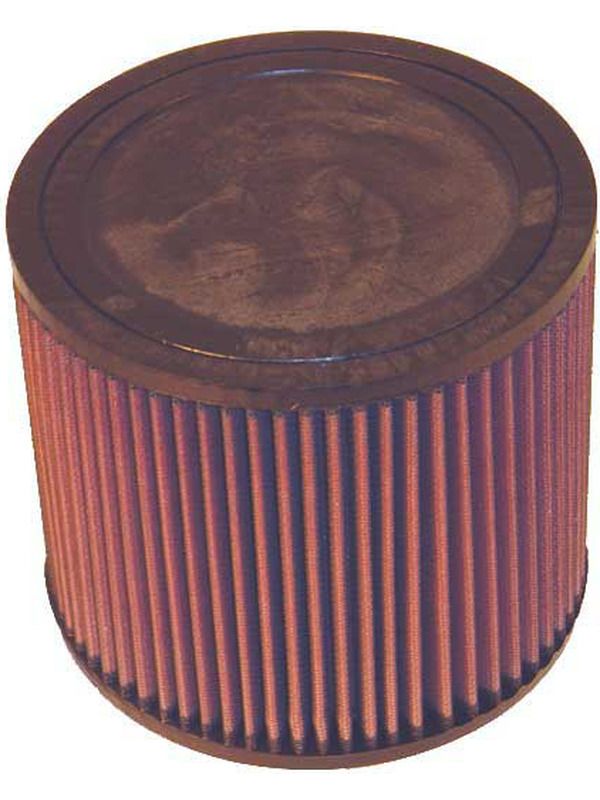
When to Replace Your Vehicle's Fuel Filter: Common Signs to Watch For
 July 15, 2026
 -
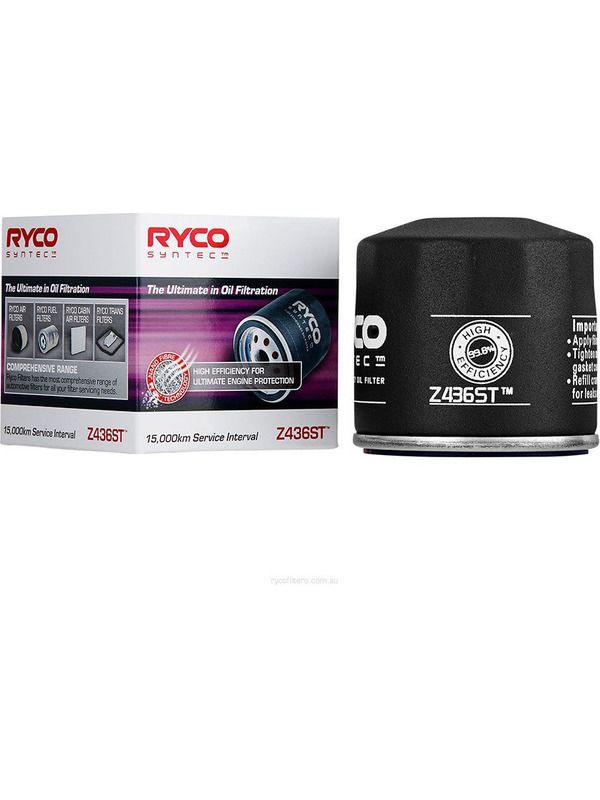
Signs It's Time to Replace Your Car Oil Filter
 June 17, 2026
 -
How to Choose the Right Engine Coolant for Your Vehicle
 May 19, 2026
 -
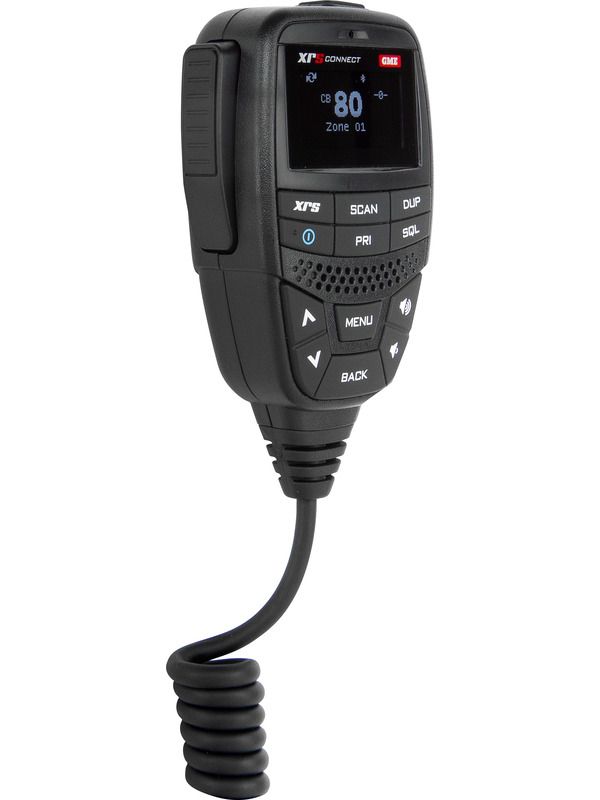
Must-Have 4WD Accessories for Off-Roading in Australia
 April 27, 2026
 -
Signs Your Engine Needs a Fuel Injector Cleaner
 March 18, 2026