
Signs It's Time to Replace Your Car Oil Filter

The engine doesn't warn you when the oil filter starts to fail. Oil pressure drops gradually, contaminants recirculate, and wear builds across surfaces that should be protected. By the time a symptom is obvious enough to notice, the filter has already been working against the engine for some time.
What Your Oil Filter Actually Does Inside the Engine
Engine oil circulates under pressure through galleries, bearings, and moving components. As it travels, it picks up metal particles, carbon deposits, and combustion byproducts. The oil filter intercepts these contaminants before the oil completes its circuit and re-enters the engine.
A filter that's saturated or degraded doesn't just stop filtering efficiently. Most filters include a bypass valve that opens when restriction becomes too high, allowing unfiltered oil to keep the engine lubricated rather than starving it of oil pressure entirely. That's a protective measure, not a safety net. Oil moving through the bypass carries whatever it's collected directly back into the engine.
Common Signs Your Oil Filter Needs Replacing
The symptoms of a failing oil filter overlap with other engine issues, which is why they're easy to dismiss. Knowing what to look for makes the difference between catching it early and dealing with accelerated engine wear.
Reduced oil pressure is one of the more telling indicators. A clogged oil filter increases resistance in the oil circuit. If the low oil pressure warning activates or the gauge reads lower than normal, the filter is one of the first things to check alongside oil level.
Unusual engine noise on startup, particularly a brief knocking or ticking that settles after a few seconds, can point to restricted oil flow reaching upper engine components like camshafts and valve train parts.
Dirty or discoloured exhaust that appears darker than normal, particularly on startup, can reflect oil contamination circulating through the engine rather than being filtered out.
Oil that darkens rapidly between changes is worth noting. While some darkening is normal, oil that turns black well before the next service interval suggests the filter is no longer capturing contaminants effectively.
What Happens if You Don't Replace an Oil Filter?
A filter left in service too long becomes a liability rather than a protective component. The filter media becomes saturated and loses its ability to trap particles. As restriction builds, the bypass valve opens more frequently, and contaminated oil circulates without being cleaned.
Over time, this raises abrasive wear across every surface the oil contacts. Bearings, cylinder walls, and piston rings all face increased friction from particles that a functioning filter would have removed. Oil contamination also accelerates oxidation, which breaks down the oil's viscosity and reduces its protective film strength. The result is a cumulative load on the engine that a timely filter replacement would have avoided entirely.
How Often Should You Replace Your Oil Filter?
The standard recommendation is to replace the oil filter at every oil change. For most vehicles, this falls between every 5,000 and 10,000 kilometres, depending on engine type, oil specification, and driving conditions.
Vehicles used in stop-start urban traffic, towing, or dusty environments place greater demand on filtration. In these cases, sticking to the lower end of the service interval is the more practical approach. Extending filter life beyond the recommended interval to save time or cost introduces more risk than the savings justify.
Always refer to the vehicle manufacturer's service schedule. If the car has been sitting for an extended period, the filter should be inspected regardless of kilometre count, as moisture and oil degradation don't require kilometres to develop.
Choosing the Right Oil Filter for Your Vehicle
Not all oil filters are interchangeable, and fitment matters as much as brand. The filter must match the thread specification, housing diameter, and bypass valve pressure rating for the engine it's fitted to.
Beyond fitment, filter quality affects how long it performs between services. Synthetic media filters generally offer higher dirt-holding capacity and maintain flow more consistently than standard cellulose filters, particularly in high-mileage or performance applications. The Ryco Z9 is a widely used option across a broad range of Australian vehicles, while the K&N KN-204-1 is built for higher-performance applications where filtration efficiency under load matters more. For drivers after a reliable everyday option, the Fram PH8A covers a wide fitment range at a practical price point. Cross-referencing any filter against your vehicle's specifications before purchasing is the step most people skip, and shouldn't.
If the vehicle has specific oil viscosity requirements or uses a longer oil change interval, the filter choice should reflect that. A filter rated for a standard interval fitted to an extended-service oil schedule will be working outside its design capacity before the oil is due for a change.
Explore Oil Filters and Engine Maintenance Parts at Rolan
If your vehicle is due for an oil change or showing any of the symptoms above, browsing by vehicle fitment is the most reliable way to confirm compatibility. Rolan's range of car oil filters covers everyday passenger vehicles through to performance and trade applications, with options across Ryco, K&N, Fram, and more.
FAQs
What does a car oil filter do?
A car oil filter removes dirt, metal particles, and contaminants from engine oil to protect the engine and maintain consistent performance.
How do I know if my oil filter needs replacing?
Common indicators include reduced oil pressure, unusual engine noise on startup, discoloured exhaust, or oil that darkens well ahead of the next service interval.
How often should an oil filter be replaced?
Most vehicles require an oil filter replacement at every oil change, typically every 5,000 to 10,000 kilometres depending on the vehicle and oil type in use.
Can a dirty oil filter damage my engine?
Yes. A blocked or degraded oil filter reduces filtration efficiency and can cause contaminated oil to circulate through the engine, increasing wear and the risk of overheating.
Should I replace the oil filter when changing engine oil?
Yes. Fitting a new filter with fresh oil ensures the clean oil isn't immediately exposed to the contaminants held in a used filter.
-
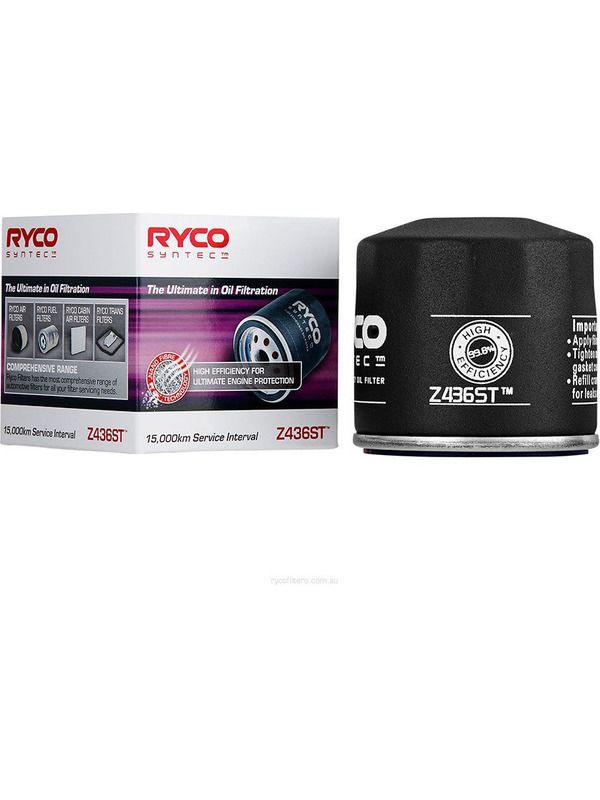
Signs It's Time to Replace Your Car Oil Filter
 June 17, 2026
 -
How to Choose the Right Engine Coolant for Your Vehicle
 May 19, 2026
 -
Must-Have 4WD Accessories for Off-Roading in Australia
 April 27, 2026
 -
Signs Your Engine Needs a Fuel Injector Cleaner
 March 18, 2026
 -
How Meguiar’s Car Care Products Support Paint Protection Over Time
 February 19, 2026