
Understanding Wheel & Tyre Size: How to Get the Perfect Fitment
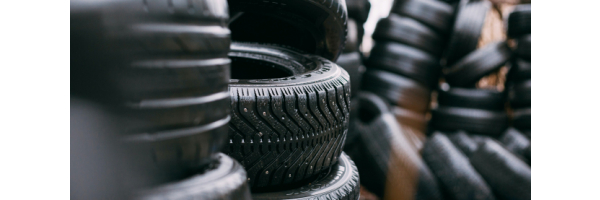
When you get new wheels or tyres, one of the most important things to consider is the fitment. Getting the wrong size can lead to all sorts of problems, from rubbing and vibration to poor handling and accelerated wear and tear.
In this post, we’ll break down the basics of wheel and tyre size, and show you how to get the perfect fitment for your car.
What is Fitment?
Fitment describes how well a wheel and tyre pair up. It refers to the dimensions of the wheel and tyre, as well as your car’s wheel well—the space around the tyre.
Getting the perfect fitment is essential. Tyres or wheels that are too small or large for your car can lead to several problems, including poor handling, accelerated tyre wear and even vehicle damage.
To avoid these problems, it's important to understand how wheel and tyre size affect fitment and how to get the perfect match for your car.
What Factors Affect Fitment?
Three main factors that determine whether a wheel and tyre will fit your vehicle.
- Wheel width: This is the measurement of the tyre from one sidewall to the other. It's important to get the correct width to ensure your tyre doesn't rub against the bodywork or suspension when you turn.
- Wheel diameter: This is the size of the wheel in inches. It's important that the wheel’s diameter matches your tyre and leaves enough room for the tyre to fit without rubbing against your vehicle.
- Tyre profile: Profile is the height of the tyre’s sidewall in relation to the wheel diameter. A lower profile tyre will have a smaller sidewall height, while a higher profile tyre will be larger.
Getting all three of these measurements correct is essential for ensuring good fitment.
How Do I Know if a Wheel or Tyre Will Fit My Car?
The easiest option is to check your car’s user manual or find an online database with the necessary information. But if you want to check it yourself, you’ll need to:
- Measure your car's wheelbase. This is the distance between the centres of your car's front and rear wheels.
- Match the measurement with a wheel or tyre size that will fit. Not all wheel and tyre sizes will have an exact match, so you may need to choose a size that's as close as possible to your original size.
If you're not sure which size to go for, we recommend speaking to one of our experts. They'll be able to help you choose the perfect wheel and tyre size for your car and driving style.
Tips For Getting the Perfect Fitment
Here are a few tips to help you get the perfect fitment for your vehicle:
- Always measure your vehicle’s wheel wells and compare them to the dimensions of the wheel and tyre you're considering.
- Check the clearance between the wheel and suspension components and the tyre and bodywork.
- Be aware of any potential tyre wear issues that could arise from using incorrect size tyres.
- If you're not sure which wheels or tyres will fit best, consult a professional for advice.
Find the Perfect Set of Tyres or Wheels Today
Knowing the different wheel and tyre sizes and how they relate to your car is essential to keeping your car looking good and performing at its best. By understanding the different sizes and how they affect fitment, you can shop for wheels and tyres with confidence, knowing that you're getting the right size for your vehicle.
-
When to Replace Your Vehicle's Fuel Filter: Common Signs to Watch For
 July 15, 2026
 -
Signs It's Time to Replace Your Car Oil Filter
 June 17, 2026
 -
How to Choose the Right Engine Coolant for Your Vehicle
 May 19, 2026
 -
Must-Have 4WD Accessories for Off-Roading in Australia
 April 27, 2026
 -
Signs Your Engine Needs a Fuel Injector Cleaner
 March 18, 2026