
DIY Servicing Vs. Your Local Mechanic
Maintaining your vehicle is essential to ensure its longevity and optimal performance. But when it comes to regular maintenance, many car owners face a critical decision: Should they tackle the task themselves or rely on a local mechanic? Both options have their pros and cons, and the choice largely depends on your skill level, the complexity of the task, and your willingness to get your hands dirty.
The Benefits of DIY Servicing
Cost-Effectiveness
One of the most significant advantages of DIY servicing is cost savings. When you handle vehicle maintenance yourself, you eliminate labour costs, which can significantly reduce your expenses. For example, changing your own oil requires just a few tools and supplies, such as motor oils and oil filters, both of which can be easily sourced online from retailers like Rolan Australia. Similarly, replacing air filters or checking and topping up your coolants and antifreeze can also be done at home with minimal expense.
Flexibility and Convenience
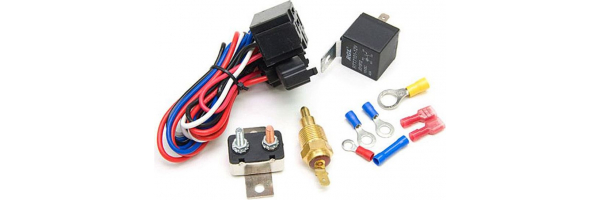
Another benefit of DIY servicing is the flexibility it offers. You can perform maintenance at your own pace and on your own schedule. This means you can address issues as they arise, without waiting for an appointment at the mechanic’s shop. For simpler tasks like replacing fuses and relays or checking fluid levels, DIY servicing allows you to quickly address problems, potentially preventing them from escalating into more significant issues.
Skill Development
For those who enjoy working with their hands, DIY servicing provides an opportunity to develop valuable mechanical skills. Over time, you can gain a better understanding of your vehicle's workings, which can be both satisfying and empowering. You’ll also be better equipped to diagnose problems early, saving both time and money in the long run.
The Disadvantages of DIY Servicing
Limited Expertise
While DIY servicing is cost-effective, it’s important to recognise its limitations. Most car owners are not trained mechanics, which means they might lack the expertise needed for more complex repairs. Misdiagnosing an issue or improperly performing maintenance can lead to bigger problems down the road. For instance, while changing motor oils and oil filters is relatively straightforward, more intricate tasks such as brake system repairs or engine diagnostics might be best left to professionals.
Safety Concerns
Safety is another critical consideration. Vehicles are complex machines with many moving parts, and some maintenance tasks can be hazardous if not performed correctly. Improperly installed parts, such as fuses and relays, can lead to electrical failures or even fires. Moreover, working under a vehicle or dealing with pressurised systems like the cooling system requires the right tools, knowledge, and safety precautions to avoid accidents.
Time and Effort
DIY servicing also demands a significant investment of time and effort. Even routine tasks like replacing air filters or topping up coolants and antifreeze require a certain level of commitment. For those with busy schedules, finding the time to service their vehicle might be challenging. Additionally, DIY repairs often involve trial and error, which can be frustrating and time-consuming, especially if you encounter unexpected problems.
The Advantages of Using a Local Mechanic
Professional Expertise
One of the main reasons car owners choose a local mechanic is the assurance of professional expertise. Mechanics have the training, experience, and tools necessary to perform a wide range of repairs and maintenance tasks. Whether it’s diagnosing a complex engine problem or performing a routine oil change, you can trust that a qualified mechanic will get the job done correctly.
Comprehensive Service
A local mechanic can offer comprehensive service that goes beyond basic maintenance. They can inspect your vehicle for potential issues that might not be apparent to the untrained eye. For instance, during an oil change, a mechanic might also check your brakes, suspension, and other critical systems to ensure everything is in good working order. This thoroughness can prevent small issues from becoming major, costly repairs.
Time-Saving and Convenience
While DIY servicing offers flexibility, using a local mechanic can save you time and effort. Dropping off your car at a mechanic’s shop allows you to continue with your day while they handle the repairs. For those who prefer not to spend their weekends under the bonnet, entrusting your vehicle to a professional is a convenient alternative.
The Disadvantages of Using a Local Mechanic
Higher Costs
The most obvious downside to using a local mechanic is the cost. Labour fees can add up quickly, especially for more complicated repairs. Even routine maintenance can be more expensive when performed by a professional. However, for those who lack the skills or tools to perform the work themselves, this cost might be a necessary investment in your vehicle’s longevity.
Potential Inconvenience
Although mechanics can save you time, scheduling an appointment and being without your vehicle while it’s being serviced can be inconvenient. Depending on the shop's workload, you might need to wait several days for an appointment, which can be problematic if your vehicle needs urgent attention.
Finding the Right Balance
Ultimately, the decision between DIY servicing and using a local mechanic comes down to balancing your budget, skill level, and time constraints. For routine tasks like changing motor oils, air filters, and oil filters, or topping up coolants and antifreeze, DIY servicing can be an excellent way to save money and learn more about your vehicle. However, for more complex repairs or when safety is a concern, relying on a professional mechanic is often the wiser choice.
All these essential products, from motor oils to fuses and relays, can be found conveniently online at Rolan Australia. Whether you're a seasoned DIYer or someone who prefers to leave it to the experts, having the right tools and supplies on hand is crucial for maintaining your vehicle.
-
Signs It's Time to Replace Your Car Oil Filter
 June 17, 2026
 -
How to Choose the Right Engine Coolant for Your Vehicle
 May 19, 2026
 -
Must-Have 4WD Accessories for Off-Roading in Australia
 April 27, 2026
 -
Signs Your Engine Needs a Fuel Injector Cleaner
 March 18, 2026
 -
How Meguiar’s Car Care Products Support Paint Protection Over Time
 February 19, 2026