
Keep Rolling: A DIY Guide to Checking Tyre Health and Fixing Flats
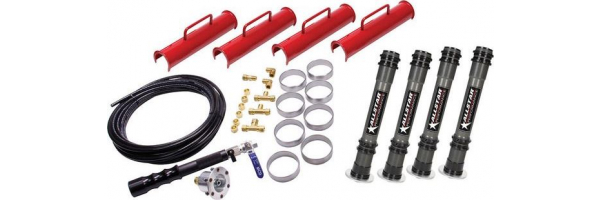
Tyres are the foundation of your vehicle’s safety, performance, and efficiency. Keeping them in excellent condition ensures smoother rides, better fuel efficiency, and, most importantly, safer travel. Whether you’re commuting to work or heading off on a weekend road trip, understanding how to maintain your tyres can save you time, money, and hassle. In this guide, we'll walk you through the essential steps of checking tyre health and fixing flats, so you can keep rolling with confidence.
Checking Tyre Health
Tyre Pressure: A Simple Yet Vital Check
Maintaining the correct tyre pressure is key to tyre longevity and road safety. Under-inflated tyres wear out faster, increase fuel consumption, and can cause poor handling. On the other hand, over-inflated tyres can reduce traction, leading to skidding and uneven wear. To keep your tyres at optimal pressure, consider using a Tyre Pressure Monitoring System (TPMS), which automatically alerts you when your tyre pressure drops below safe levels. Additionally, a Tyre Pressure Gauge allows you to easily check and adjust tyre pressure manually. These systems take the guesswork out of tyre maintenance and can be easily used in most vehicles.
For a hands-on approach, you can also manually check tyre pressure using a simple gauge. Make sure to do this regularly, especially before long trips. Maintaining the right tyre pressure not only prolongs tyre life but also improves your vehicle's overall efficiency.
Monitoring Tread Depth for Safety
Tyre tread depth is another critical aspect of tyre health. Worn-out tread decreases traction, especially in wet conditions, making driving hazardous. Regularly checking your tyre tread ensures you’re not riding on bald tyres. Using a Tyre Tread Depth Gauge can help you measure the tread depth accurately, ensuring your tyres have sufficient grip for safe driving.
If your tread is too shallow, it’s a sign that the tyres are nearing the end of their life. Replacing them before they become dangerous is essential for maintaining road safety, especially in rainy or slick conditions.
Essential Maintenance for Tyre Longevity
Tube-Type Tyres
While many modern tyres are tubeless, certain vehicles, particularly off-road or vintage models, still use tube-type tyres. Tyre Tubes are integral to keeping these tyres properly inflated. Over time, tubes can wear out, causing slow leaks or even sudden flats. Inspecting them regularly and replacing them when necessary can prevent unexpected tyre failure. Carrying spare tubes is a smart precaution if you're maintaining a vehicle with tube-type tyres.
Enhancing Grip in Challenging Conditions
For drivers who frequently navigate wet, icy, or off-road terrain, improving tyre grip can make a significant difference. Tyre Sipers & Tread Tools are designed to cut small slits into your tyre’s tread, enhancing traction by creating extra edges that grip the road better in adverse conditions. While not part of everyday tyre maintenance, these tools are a useful technique for those looking to boost performance in challenging environments. Whether you’re preparing for an off-road adventure or simply want better handling in wet weather, using Tyre Sipers and Tread Tools can offer enhanced safety and control.
Fixing a Flat: A Simple DIY Guide
Be Prepared with Tyre Repair Tools
Flat tyres are an unfortunate reality of driving, but with the right tools on hand, they don’t have to derail your plans. A well-stocked Tyre Repair Kit is essential for any driver. These kits typically include tools like tyre plugs, patches, and the equipment needed to remove nails or screws that may have punctured your tyre. Additionally, having a Jack on hand is crucial for safely lifting your vehicle off the ground to access the tyre.
When you discover a flat, the first step is to safely pull over, remove the offending object, and then use the plug or patch to seal the puncture. A proper tyre repair kit can handle small punctures, allowing you to get back on the road without needing to call for roadside assistance.
Tyre Tubes for Flats
If your vehicle uses tube-type tyres, a flat may require replacing the Tyre Tube rather than just patching the tyre. Tubes can become punctured just like tyres, and sometimes a quick patch won't be enough. In such cases, replacing the tube ensures the tyre maintains proper air pressure, so you can continue driving safely.
Finishing Touches for Tyre Care
After checking the health of your tyres or repairing a flat, it’s worth considering the condition of the rubber itself. Tyre Dressings are products designed to protect the tyre from cracking, fading, and damage caused by sun exposure and weather. Not only do they keep your tyres looking fresh and glossy, but they also extend the lifespan of the rubber, making it more resistant to wear and tear.
Applying tyre dressing regularly helps protect your investment in your tyres, ensuring they stay in good shape for longer, both in terms of performance and appearance.
Extra Tips
- Rotate your tyres every 9,600 to 12,900 kilometres to ensure even wear across all four tyres.
- Check for uneven wear on the tread, as this may indicate issues with suspension, alignment, or tyre balance.
- Monitor tyre age— even if the tread looks fine, tyres older than five years may start to degrade due to environmental factors.
Stay Prepared and Keep Rolling
Maintaining your tyres is a straightforward yet crucial aspect of vehicle upkeep. From regularly checking tyre pressure and tread depth to knowing how to fix a flat, a little knowledge and preparation can go a long way in keeping you safe on the road. Whether you're a seasoned DIYer or just getting started, having the right tools and supplies makes all the difference.
You can find all the products mentioned here, including Tyre Tubes, Tyre Pressure Monitoring Systems, Tyre Repair Kits, Tyre Sipers, Tyre Tread Depth Gauges, and Tyre Dressings, conveniently available at Rolan Australia. Keep your tyres in top condition and enjoy a smoother, safer ride every time you hit the road!
-
Signs It's Time to Replace Your Car Oil Filter
 June 17, 2026
 -
How to Choose the Right Engine Coolant for Your Vehicle
 May 19, 2026
 -
Must-Have 4WD Accessories for Off-Roading in Australia
 April 27, 2026
 -
Signs Your Engine Needs a Fuel Injector Cleaner
 March 18, 2026
 -
How Meguiar’s Car Care Products Support Paint Protection Over Time
 February 19, 2026